
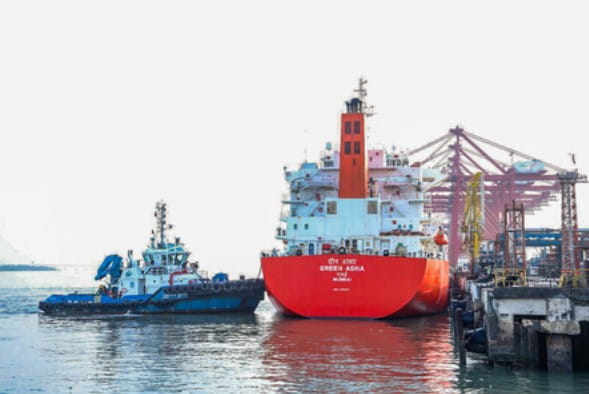
New Delhi: Rising tensions in West Asia and the possibility of disruptions in the strategically vital Strait of Hormuz have once again highlighted India’s heavy dependence on imported oil and gas. Experts argue that the challenge should not be viewed merely as a geopolitical risk but as a wake-up call to fundamentally transform the country’s energy landscape.
For decades, India has relied on energy supplies transported through vulnerable maritime routes. Any prolonged disruption could have far-reaching consequences for transportation, agriculture, manufacturing, inflation and overall economic stability.
Analysts believe India must move beyond short-term solutions and adopt a comprehensive strategy built on four pillars: waste-to-energy, accelerated renewable energy adoption, diversified energy sourcing and proactive energy diplomacy.
One of India’s most underutilised resources, they argue, is the enormous volume of waste generated every day. Municipal garbage, agricultural residue, livestock waste and organic refuse are often treated as environmental burdens rather than valuable energy assets.
A proposed National Waste-to-Energy Mission could transform this challenge into an opportunity. Under a decentralised model, villages could generate biogas from organic waste, district-level facilities could produce compressed biogas for transportation and industries, while cities could establish integrated waste-processing plants capable of generating electricity, gas and recyclable materials.
Such a network would create thousands of local energy-generation centres, reducing dependence on large centralized facilities and imported fuels.
The strategy also calls for harnessing India’s vast pool of scientific and engineering talent. Institutions such as the IITs, NITs, universities and start-ups could be encouraged to develop innovative technologies for waste collection, segregation, recycling and energy generation through a nationwide innovation challenge.
Artificial intelligence is expected to play a critical role as well. AI-powered systems could optimise waste collection routes, improve segregation efficiency, predict waste generation patterns and lower operational costs, making waste management more productive and economically viable.
At the same time, experts stress the need for a rapid expansion of solar energy. Building on initiatives such as the PM Surya Ghar programme, rooftops across homes, schools, government offices, religious institutions and commercial buildings could become distributed power-generation hubs. Easier financing, simplified approvals and targeted subsidies could accelerate adoption on a much larger scale.
However, renewable energy alone cannot fully replace India’s dependence on imported hydrocarbons in the near future. This makes diversification of energy supplies equally important.
India is being urged to deepen energy partnerships with countries across Central Asia, Russia, Southeast Asia, Africa and Latin America. Expanding LNG infrastructure, developing alternative pipeline routes and strengthening port facilities along the Bay of Bengal could reduce dependence on any single region or shipping corridor.
The fourth pillar, experts say, should be energy diplomacy. Indian diplomatic missions worldwide should actively pursue opportunities related to oil, gas, critical minerals, renewable technologies and long-term energy agreements. A dedicated energy diplomacy framework could help identify emerging opportunities and strengthen India’s long-term energy resilience.
A phased implementation plan has been suggested, beginning with nationwide waste mapping and pilot projects, followed by the development of village biogas networks, district processing centres and urban waste-conversion facilities. Within five years, India could emerge as a global leader in waste-to-energy production while reducing landfill burdens and improving environmental outcomes.
The Strait of Hormuz may remain vulnerable to geopolitical uncertainties, but India’s preparedness need not depend solely on developments beyond its borders. By converting waste into wealth, accelerating clean energy adoption, diversifying supply chains and strengthening energy diplomacy, the country can turn a major strategic vulnerability into a long-term national advantage.
The road to energy security, experts argue, may not lie only in distant oil fields but also in the untapped resources generated within India’s own cities, towns and villages every day.
With inputs from IANS