
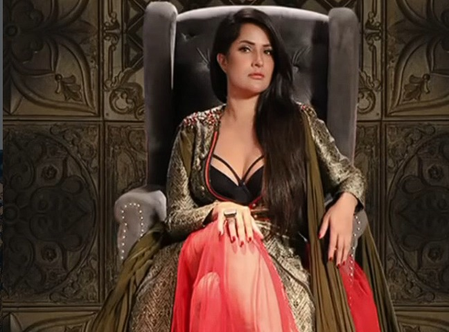
Mumbai — Singer Sona Mohapatra has strongly criticised rapper Badshah amid the ongoing controversy surrounding his latest track Tateeree, saying artists must recognise the cultural impact their work can have.
Reacting to the backlash against the song, Sona took to Instagram to call out what she described as a familiar pattern in many pop tracks. According to her, such songs often portray a hyper-masculine image where women are reduced to decorative figures around a self-styled male hero.
She wrote that the template is hardly new, pointing to a recurring narrative in which a male performer flaunts exaggerated masculinity while women are depicted merely as admirers. In another remark, she mocked the lyrical swagger common in such tracks, describing it as a tired and lazy trope in pop culture rather than genuine creativity.
The singer also took a dig at Badshah’s identity references, saying that simply calling oneself a “son of Haryana” does not excuse problematic portrayals. She pointed out that the state already faces serious gender challenges, including skewed sex ratios, violence against women and honour killings.
Emphasising the influence of popular culture, Sona said artists help shape public imagination and therefore carry a responsibility. She argued that musicians can either challenge misogyny through their work or choose to profit from reinforcing it.
In the caption accompanying her post, the singer further criticised the visuals in the song, particularly the use of young girls in school uniforms as props, adding that audiences deserve better content.
The controversy around Tateeree has also drawn the attention of authorities. The Haryana State Women’s Commission has issued a notice to Badshah asking him to appear before it on March 13 to record his statement.
The notice followed a complaint filed by Savita Arya, president of Nari Tu Narayani Sanstha in Panipat, and Shiv Kumar, head of Shiv Aarti Foundation. They objected to certain lyrics in the song and alleged that the video depicts minor girls in school uniforms boarding a Haryana Roadways bus and discarding their school bags.
Responding to the controversy earlier, Badshah said he is a proud Haryanavi and insisted that he had no intention of portraying women or children negatively through the track. He also noted that his roots lie in the hip-hop genre, where lyrics often involve competitive or provocative expressions aimed at rivals.
With inputs from IANS