
Chennai: Exports of textiles, garments and wet grinders from Tamil Nadu’s Coimbatore are facing mounting delays as the intensifying conflict in West Asia continues to choke key international shipping lanes, disrupting trade with Gulf nations and other overseas markets, officials said on Thursday.
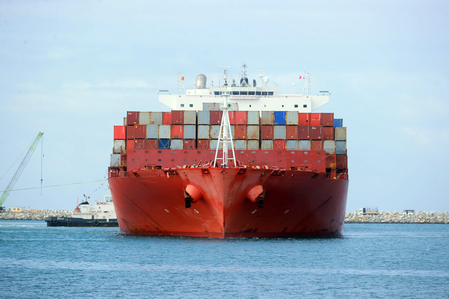
The situation has taken a turn for the worse following the closure of the Strait of Hormuz, a vital maritime corridor for global trade. Cargo vessels that once sailed through the Red Sea and the Gulf region are now being compelled to take a significantly longer detour around Africa via the Cape of Good Hope, throwing shipping schedules into disarray.
The Southern India Mills’ Association (SIMA) has reported that these diversions have stretched shipping transit times by approximately 20 to 25 days — a delay that is already weighing heavily on export commitments made by textile and garment manufacturers in Coimbatore, one of India’s foremost textile manufacturing hubs.
Industry leaders warn that the extended transit times could trigger serious financial repercussions. International buyers typically operate under rigid delivery deadlines, and late shipments risk resulting in cancelled orders or demands for steep price reductions. Freight costs are also expected to climb as shipping companies revise rates to account for longer routes and greater fuel consumption.
The stakes are particularly high for the textile sector. Coimbatore-based manufacturers export garments worth nearly $2 billion annually to the United Arab Emirates alone, with an additional $1 billion in shipments heading to other Gulf countries. With delivery timelines now unpredictable, exporters fear that buyers in the region may begin sourcing from competing suppliers.
Raw material supply is another growing concern. Traders caution that the ongoing disruption could affect the availability of synthetic yarn and other key textile inputs, potentially driving up production costs across the board.
The ripple effects extend beyond textiles. Coimbatore’s thriving wet grinder manufacturing industry, which ships large quantities to Gulf and global markets, is equally under strain. Several consignments are reportedly stranded at Jebel Ali Port in Dubai, and fresh export orders have been put on hold amid uncertainty over shipping timelines.
Exporters have called on the Central government and shipping authorities to closely track developments and consider logistical relief measures to safeguard India’s export interests. Industry bodies have also cautioned that a prolonged regional crisis could have far-reaching consequences for exporters across southern India.
With inputs from IANS