
Ranchi — The Jharkhand Health Department has stepped up its preparedness to prevent the spread of H1N1, commonly known as swine flu, with health authorities across the state placed on heightened alert.
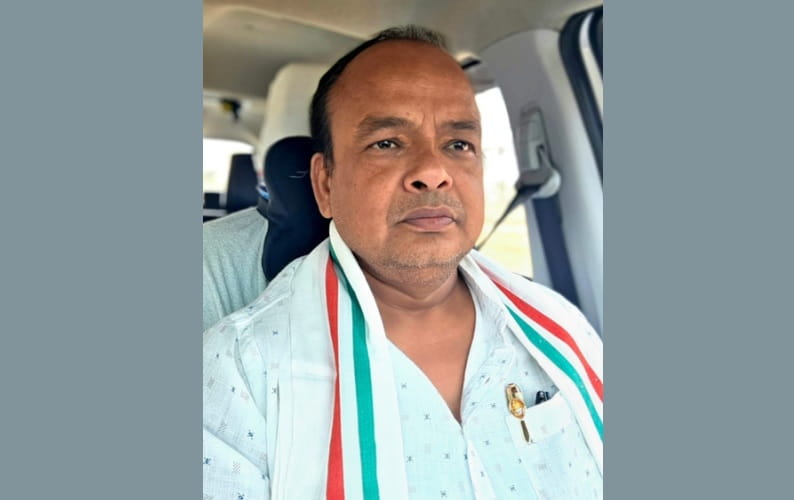
Health Minister Irfan Ansari reviewed the state’s preparedness on Saturday and directed civil surgeons, medical college superintendents and principals, and district surveillance officers to maintain strict vigilance and closely monitor the situation.
The minister stressed the importance of detecting suspected cases at an early stage, followed by timely testing, treatment, monitoring and referral of patients requiring specialised care. He said the government was taking all necessary measures to ensure that the healthcare system remains prepared to deal with any possible rise in H1N1 cases.
“Every necessary arrangement is being made to deal with any potential situation. From the timely identification of suspected patients to testing, treatment and referral wherever required, the system has been strengthened at every level. Our commitment is that no person should lose their life to swine flu,” Ansari said.
During the review, Ansari held discussions with Additional Chief Secretary Ajoy Kumar, senior officials of the Health Department and civil surgeons from several districts. The meeting focused on assessing the existing preparedness and identifying areas where additional measures may be required.
The department has instructed all districts to strengthen surveillance and reporting of Influenza-Like Illness (ILI) and Severe Acute Respiratory Infection (SARI) cases. District surveillance officers have been asked to keep a continuous watch on emerging cases and immediately communicate any significant developments to the state Health Department.
As part of the preparedness measures, RIMS Ranchi, medical college hospitals and Sadar hospitals have been directed to reserve an additional 10 beds each for possible H1N1 patients. Hospitals have also been asked to ensure sufficient stocks of oxygen, essential medicines and medical equipment.
Authorities have further been instructed to keep testing facilities functional and ensure that ICUs and HDUs are adequately prepared. The availability of trained doctors, nurses and other paramedical personnel has also been included in the preparedness plan.
Special vigilance is being maintained at airports, railway stations, bus stands and other places where large numbers of people gather, as these locations can play an important role in the spread of respiratory infections.
People experiencing symptoms such as fever, cough, sore throat, cold or breathing difficulty may undergo clinical evaluation based on medical advice. H1N1 or influenza testing will be carried out wherever considered necessary by doctors, while patients showing serious symptoms will be referred promptly for appropriate treatment.
The Health Department has appealed to the public to remain cautious without giving in to panic. Officials have emphasised that early medical assessment, particularly in cases involving breathing difficulties or worsening symptoms, can help ensure timely treatment.
Ansari reiterated that the state government is monitoring the situation closely and has strengthened the health infrastructure to respond quickly if the need arises.
With inputs from IANS