
Ranchi: The Jharkhand government has increased the monthly stipend of junior resident doctors in government medical colleges and hospitals, with third-year residents set to receive ₹80,000 a month. The revised rates are aimed at providing financial relief to doctors undergoing academic training and improving their working conditions across the state.
The decision has been taken under the leadership of Chief Minister Hemant Soren, with Health Minister Dr. Irfan Ansari overseeing the initiative. The government has said that better financial support for doctors is part of its broader effort to strengthen public healthcare services.
According to State Government Resolution No. 244(09), dated April 27, 2026, the revised stipend structure provides substantial increases for junior residents across all three years of training.
Under the new rates, first-year junior residents will receive ₹70,000 per month, up from ₹54,500. The stipend for second-year residents has been raised from ₹58,500 to ₹75,000, while third-year residents will now receive ₹80,000 instead of ₹63,000.
The revised structure translates into monthly increases of ₹15,500 for first-year residents, ₹16,500 for second-year residents and ₹17,000 for third-year residents. The highest increase applies to doctors in their third year of residency.
The move is expected to ease some of the financial pressures faced by resident doctors, who combine clinical responsibilities with postgraduate academic training. The government hopes that improved financial support will also help boost morale among medical professionals working in state-run institutions.
Stipend revision proposal for DNB doctors at RINPAS
Separately, the state Health Department has taken up a proposal to revise the stipends of Diplomate of National Board (DNB) trainees at the Ranchi Institute of Neuro-Psychiatry and Allied Sciences (RINPAS) in Kanke, Ranchi.
Departmental documents list the prescribed minimum monthly stipends for broad-speciality DNB trainees at ₹43,000 in the first year, ₹45,000 in the second year and ₹47,000 in the third year. For post-diploma DNB trainees, the prescribed rates are ₹45,000 for the first year and ₹47,000 for the second year.
DNB trainees at RINPAS had requested a revision in line with the applicable government guidelines. The proposal has since been taken up at the departmental level, although a final revised stipend structure has not been specified in the information available.
The issue is significant for RINPAS, a specialised institution that provides treatment for mental health conditions and plays an important role in Jharkhand’s psychiatric care services. Adequate staffing and appropriate working conditions are important for institutions dealing with specialised and often long-term mental healthcare needs.
Government stresses doctors’ welfare and better facilities
Health Minister Dr. Irfan Ansari said the government was committed to ensuring that doctors received due respect and appropriate financial incentives for their work. He added that improving healthcare facilities, providing modern medical equipment and creating better working conditions for medical professionals remained key priorities.
“Doctors are an integral part of our healthcare system. There will be no compromise on their dignity and respect,” the minister said, emphasising that doctors who work tirelessly to treat patients deserved recognition and encouragement.
Ansari also underscored the importance of strengthening institutions such as RINPAS, where patients with mental health conditions receive specialised care. He said the government wanted to improve institutional facilities, ensure the availability of doctors and raise the standard of treatment provided to patients.
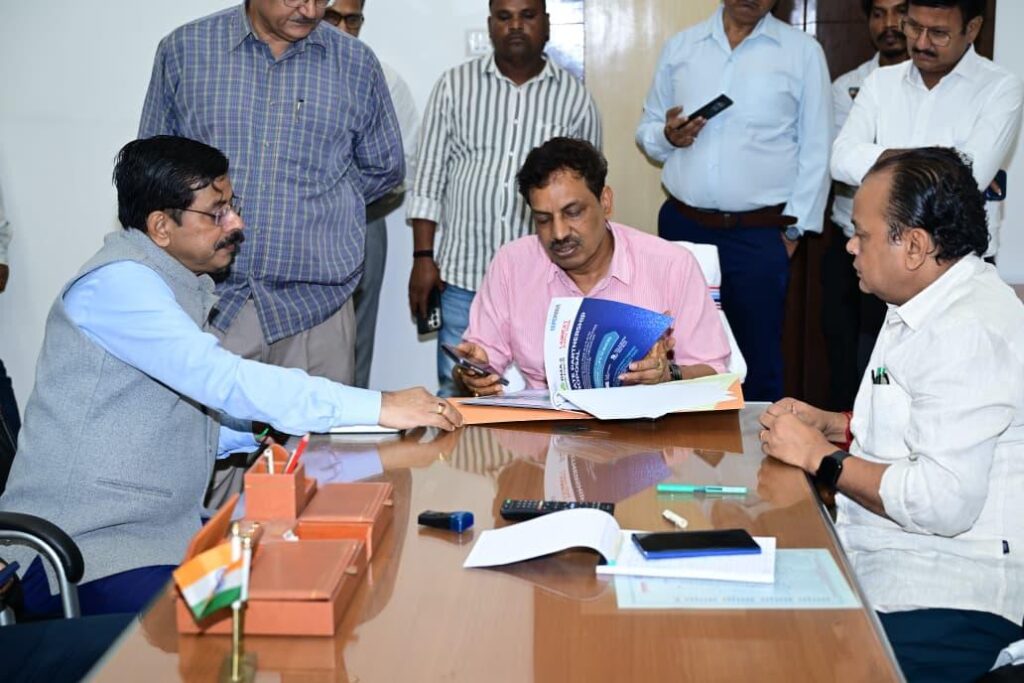
Ajay Kumar Singh, Additional Chief Secretary of the Health Department, said the concerned file had been approved on the Health Minister’s instructions. He added that the government was working to improve doctors’ morale and provide better working conditions so that they could serve patients more effectively.
The stipend increase for junior resident doctors marks a financial boost for medical trainees in Jharkhand’s government institutions. The proposed revision for DNB trainees at RINPAS is a separate measure that remains under departmental consideration.
Together, the initiatives reflect the state government’s stated focus on supporting healthcare professionals while strengthening medical infrastructure and improving access to quality treatment. Their longer-term impact will depend not only on financial incentives but also on adequate staffing, equipment, facilities and working conditions in public healthcare institutions.