
Ranchi: The Jharkhand government has stepped up efforts to expand organ transplant services, with a focus on developing kidney transplantation facilities at the Rajendra Institute of Medical Sciences (RIMS) in Ranchi.
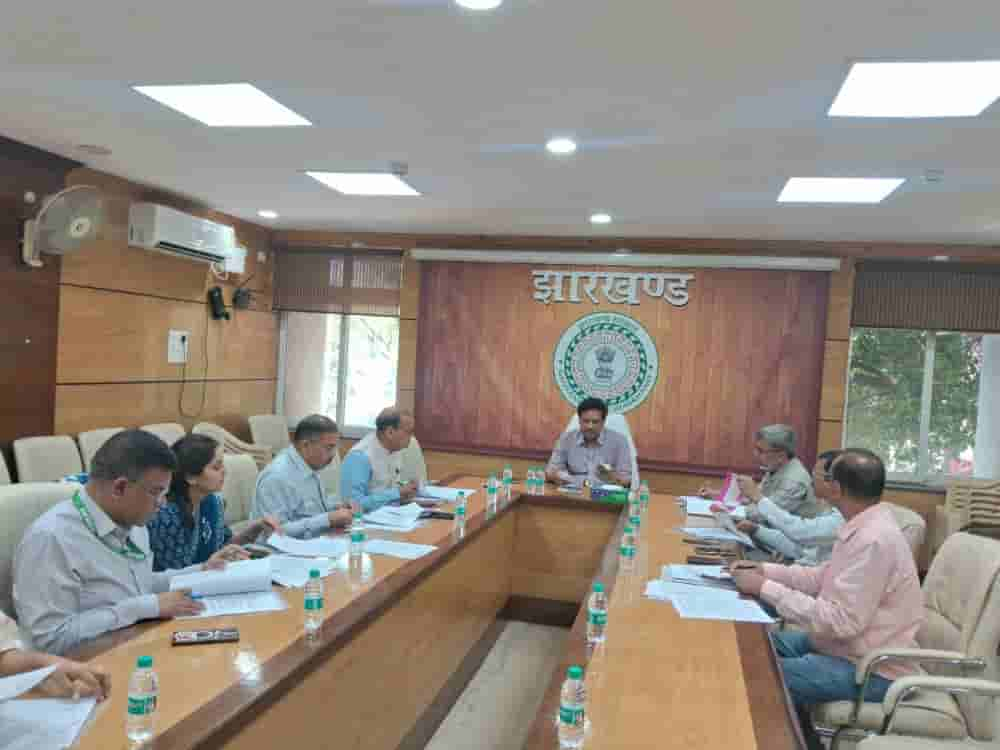
The matter came up at a meeting of the Organ Transplant Advisory Committee chaired by Ajay Kumar Singh, Additional Chief Secretary of the Health, Medical Education and Family Welfare Department. The committee reviewed proposals for hospital registration and renewal for corneal and kidney transplantation. Proposals from Paras HEC Hospital, Dhurwa, and Medanta Abdur Razzaque Ansari Memorial Weavers Hospital were approved for kidney transplant facilities, while proposals involving Jamshedpur Eye Hospital and Orchid Medical Centre, Ranchi, were also considered.
The state government has also approved guidelines to regulate organ donation from brain-dead patients. The provisions cover mandatory brain death declaration, organ retrieval from non-transplant hospitals, post-mortem procedures in medico-legal cases, and green corridors for the timely transportation of donated organs.
During the meeting, Singh reviewed the availability of specialist doctors, trained medical personnel, and infrastructure required to establish kidney transplant services at RIMS. He directed officials to identify three to four qualified doctors from the state and form a specialised team, with the possibility of bringing in experienced specialists from outside Jharkhand. He also stressed the need to explore collaboration with Christian Medical College (CMC), Vellore, to train local doctors and strengthen the institute’s transplant capabilities.
The initiative aims to improve access to advanced medical treatment within Jharkhand and reduce patients’ dependence on hospitals in other states.
The meeting was attended by senior health officials, RIMS specialists, and representatives of the State Organ and Tissue Transplant Organisation. Discussions focused on hospital registration, implementation of transplant guidelines, and measures to strengthen organ donation and transplantation services across the state.