
New Delhi- Food prices have remained largely stable despite a weak monsoon so far this season, although prolonged rainfall deficits across key agricultural states could push up inflation in the coming weeks, according to a report by Emkay Global Financial Services.
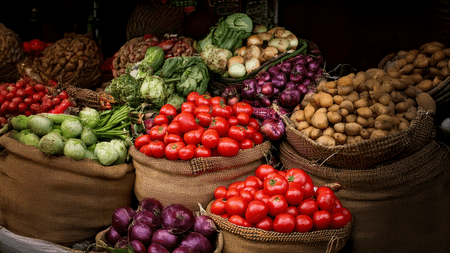
The report said weekly retail food inflation remained contained, with vegetable prices rising 1.5 per cent, eggs 1 per cent, cereals 0.5 per cent, and oils and fats 0.2 per cent.
On a year-on-year basis, oils and fats recorded the highest increase at 11 per cent, followed by eggs at 6 per cent. Vegetable, milk and spice prices were each up 3 per cent, while cereals rose 2 per cent and pulses increased by 1 per cent.
However, the report cautioned that continued rainfall shortages in major food-producing states, including Maharashtra, Gujarat, Madhya Pradesh and Uttar Pradesh, could disrupt crop production and lead to higher food prices if the situation persists.
According to the report, cumulative monsoon rainfall as of July 3 was 31 per cent below the long-period average. June ended with rainfall 40 per cent below normal, making it the driest June in the past decade.
The weak monsoon has also slowed sowing activity, while reservoir levels remain under pressure. Pan-India reservoir storage stands at just 26 per cent of total capacity, down 39 per cent compared to the same period last year.
Among regions, Central India has the highest reservoir storage at 32 per cent of capacity, followed by North India at 29 per cent and West India at 28 per cent. Water storage remains particularly low in South India at 20 per cent and East India at 19 per cent.
The report also noted that the India Meteorological Department (IMD) has forecast below-normal rainfall for July 2026, raising concerns over the progress of the Kharif sowing season and the potential impact on agricultural output in the weeks ahead.
With inputs from IANS