
New Delhi: Intelligence agencies have warned of a renewed and aggressive push to revive the Naxalite movement in India’s urban centres, even as security forces move closer to dismantling their presence in the jungles. According to officials, several universities and city-based groups are under close surveillance as attempts are being made to keep the Naxal ideology alive.
This escalation comes in the backdrop of Union Home Minister Amit Shah’s announcement that the Naxal problem would be eliminated by March 2026. With the pace of current operations, agencies believe the insurgency could be neutralised even earlier than the stated deadline.
Officials say fresh intelligence inputs indicate that Naxal sympathisers are attempting to regroup ideologically within cities. They are holding meetings, mobilising support and exploring new funding models after earlier crackdowns severely restricted their financial channels.
A senior Intelligence Bureau official said the group’s network is attempting to raise money domestically after significant curbs under the Foreign Contribution Regulation Act (FCRA) made foreign funding nearly impossible without strict scrutiny. Earlier, both the NIA and the Enforcement Directorate had dismantled several funding routes used to sustain the movement.
With the March 2026 deadline nearing, agencies believe there is a desperate effort to engineer unrest in urban areas. Officials warn that while the armed presence in jungles posed a physical threat, ideological mobilisation in cities could potentially have broader social impact.
According to intelligence assessments, the emerging strategy involves forming student-led groups in major cities and orchestrating protests designed to turn violent. This would then be used as a propaganda tool to claim state oppression and attract fresh recruits.
A recent example cited by officials is the protest over rising pollution levels in Delhi. The Bhagat Singh Chhatra Ekta Manch (BSCEM), which identifies as a student rights organisation, is now under investigation for possible Naxalite links. Though the protest was themed around pollution, police are probing why slogans supporting slain Maoist commander Madvi Hidma were raised.
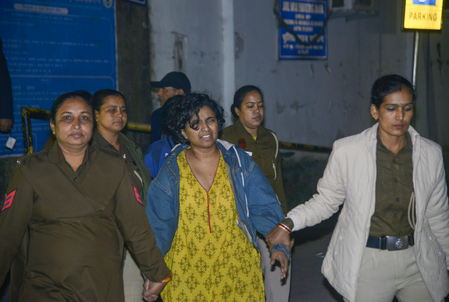
Police arrested 22 people after the protesters allegedly used chilli spray on security personnel. Officials believe the intention was to provoke police action and use the footage to build a narrative of state brutality. The social media accounts of BSCEM are also under scrutiny after a post on November 19 showed a “red salute” to Hidma and labelled the encounter leading to his death as “fake”.
Authorities state that social media will be a key tool for ideological revival — enabling mobilisation, propaganda distribution, and even small-scale fundraising.
A senior officer said the government is confident of eliminating the armed Naxal insurgency by 2026, but the ideological battle in urban centres may continue for some time due to the aggressive attempts to keep the movement alive.
With inputs from IANS