
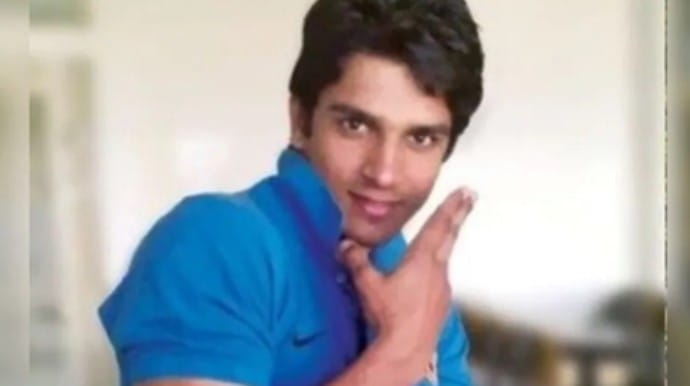
New Delhi: The Supreme Court on Wednesday praised the family of 31-year-old Harish Rana for donating his organs after his death, months after the apex court allowed the withdrawal of life support for the Ghaziabad resident, who had remained in a permanent vegetative state for nearly 13 years.
A bench comprising Justices J. B. Pardiwala and K. V. Viswanathan was informed that Rana passed away on March 24 after being shifted to the palliative care unit of All India Institute of Medical Sciences following the Supreme Court’s March 11 judgment permitting passive euthanasia.
During the hearing, counsel representing Rana’s family informed the court that his death certificate had been submitted before the apex court registry. The family also donated his heart valve and corneas, which were found suitable for transplantation.
Appreciating the gesture, the court observed that despite suffering an irreparable personal loss, the family displayed exceptional generosity and compassion through organ donation. The bench remarked that Rana passed away with dignity, love, and compassion, and that his selfless contribution would continue to touch lives through the donated organs.
The Supreme Court further observed that the case highlighted the limitations of medical science and stressed that prolonging life through machines against a person’s dignity and wishes cannot always be considered meaningful care.
“This litigation has taught many things to one and all, including two of us as judges,” the bench noted during the hearing.
The court directed that Rana’s death certificate be preserved with the case records for three years and ordered that the report submitted by AIIMS be kept in a sealed cover. The bench also expressed gratitude to the doctors at AIIMS for their care during Rana’s final days.
The apex court additionally appreciated advocate Rashmi Nandakumar, appearing for the family, and Additional Solicitor General Aishwarya Bhati for assisting the court in the matter.
Earlier on March 11, the Supreme Court had permitted the withdrawal of life-sustaining treatment for Rana, who had suffered severe head injuries after falling from the fourth floor during his student years. Medical experts had stated that he was in a permanent vegetative state with 100 percent disability and quadriplegia, requiring continuous medical support with almost no chance of recovery.
The case had first reached the Delhi High Court through a plea filed by Rana’s parents seeking the constitution of a medical board to examine the possibility of passive euthanasia. After relief was denied there, the family approached the Supreme Court, which later allowed the withdrawal of treatment after considering medical reports and his deteriorating condition.
With inputs from IANS