
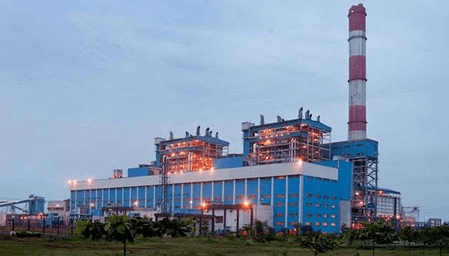
Ranchi: Jharkhand has entered the league of power-surplus states with the commercial commissioning of the second 800 MW unit of the Patratu Vidyut Utpadan Nigam Limited (PVUNL). The unit began commercial operations on the intervening night of June 24 and 25, significantly boosting the state’s electricity generation capacity.
With the commissioning of the new unit, Jharkhand will receive 680 MW of electricity, accounting for 85 per cent of its total generation. The first 800 MW unit, commissioned in November 2025, is already supplying another 680 MW to the state. Together, the two units will provide Jharkhand with 1,360 MW of power from the Patratu project.
According to the state Energy Department, Jharkhand’s average power demand currently stands at around 3,000 MW, while total power availability from all sources has increased to nearly 3,885 MW. This leaves the state with an estimated surplus of about 600 MW, excluding transmission and distribution losses.
The surplus is expected to benefit the state financially, as excess electricity can be sold to other states during periods of lower domestic demand.
PVUNL is a joint venture between NTPC and Jharkhand Bijli Vitran Nigam Limited (JBVNL), with NTPC holding a 74 per cent stake and JBVNL owning the remaining 26 per cent.
The Patratu project is planned to have a total installed capacity of 4,000 MW. In its first phase, three supercritical units of 800 MW each, with a combined capacity of 2,400 MW, are being developed. While two units are now operational, the third is expected to be commissioned in the coming months.
The thermal power plant has been built using advanced supercritical technology and incorporates eco-friendly systems, including air-cooled condensers and a 100 per cent dry ash handling system to reduce environmental impact. Coal for the project is sourced from the Banahardi coal block in Latehar, while water is supplied from the Patratu Dam.
Officials and energy experts believe the enhanced generation capacity will strengthen power supply across Jharkhand, reduce dependence on expensive power purchases from other states, ensure uninterrupted electricity for industries, and improve the state’s investment climate by supporting industrial growth and employment generation.
With inputs from IANS