
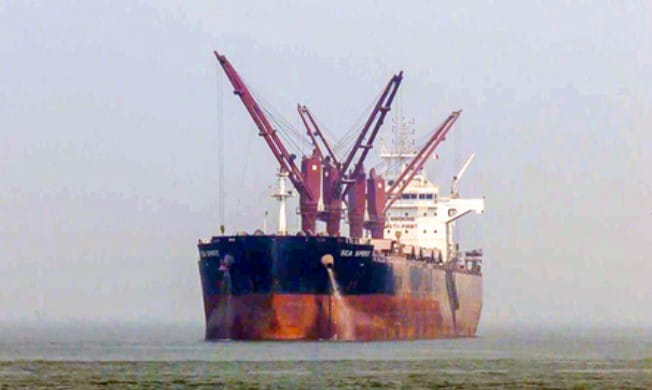
New Delhi- Iran’s aggressive and “maximalist” stance in the Persian Gulf is hurting its international standing and disrupting global supply chains, according to an article published in the International Business Times.
The article, written by Shujaat Ali Quadri, states that while diplomacy could have helped reduce tensions in the Persian Gulf, Iran instead chose a confrontational approach, including threats linked to the Strait of Hormuz. The report says these actions have contributed to rising fuel, fertiliser and food prices, creating serious economic difficulties for developing nations.
According to the article, Iran reportedly attached several conditions during ceasefire discussions with the United States and other mediators, making meaningful progress difficult.
The article further notes that instead of helping calm already unstable markets through diplomacy, Tehran intensified its confrontational posture. It also mentions that during recent discussions within the BRICS framework, where many developing countries were seeking stability and stronger economic cooperation, Iran continued to project defiance rather than flexibility.
Developing Nations Concerned Over Economic Impact
The report argues that Iran may be making a strategic mistake by attempting to pressure the global economy through extreme posturing. It warns that by creating an image of unpredictability, Tehran risks distancing even countries that traditionally maintained balanced relations with it.
According to the article, many countries in Asia and the Global South are more concerned about stable energy supplies than geopolitical confrontations in key shipping routes. While some nations may understand Iran’s grievances, they are unlikely to support actions that directly harm their own economies.
The article states that although every country has the right to protect its sovereignty, there is a difference between defending national interests and “holding the world economy hostage.”
Concerns Over Strait of Hormuz Threats
The report describes Iran’s repeated hints about imposing tolls or disrupting vessel movement through the Strait of Hormuz as particularly alarming. It points out that international maritime law does not allow any single country to arbitrarily use one of the world’s most important trade corridors as a political weapon.
While supporters of Iran often argue that Western sanctions and military pressure pushed Tehran into a difficult position, the article says economic isolation cannot justify “economic blackmail.”
It also criticises what it calls mixed messaging from Iran. On one side, Iranian officials speak about regional stability and cooperation, while on the other, state-linked rhetoric frequently raises the possibility of disruptions in Hormuz whenever tensions rise.
The article concludes by stating that the international community does not expect Iran to abandon its national interests, but it does expect the country to behave responsibly within the global system. Threatening shipping access and using global energy dependence as leverage, it argues, amounts to recklessness rather than legitimate resistance.
With inputs from IANS