
Hazaribagh — Despite the dominance of social media platforms, television, and smartphones, radio continues to maintain a meaningful presence in people’s daily lives by combining nostalgia with contemporary relevance. As the world observes World Radio Day on February 13, attention once again turns to the enduring popularity of this traditional medium. The theme for this year highlights the growing integration of radio with artificial intelligence, showcasing how broadcasting is adapting to modern technological advancements.
For decades, radio has been a dependable source of information, education, and entertainment. From devotional songs played at dawn to news updates and interactive programmes, radio has remained a constant companion in homes across India. Even today, it is commonly heard in small retail shops, auto-rickshaws, fuel stations, and shopping centres, reflecting its wide social reach.
The medium continues to stand out for its credibility and easy accessibility. Apart from entertainment, radio provides valuable updates on agriculture, health, science, and current affairs, making it particularly beneficial for audiences in rural and semi-urban regions. Amid the fast pace of modern life, radio offers a simple yet dependable means of staying informed and connected.
Prime Minister Narendra Modi is often credited with renewing public interest in radio through his monthly programme Mann Ki Baat. The initiative has revived nationwide engagement with the medium, encouraging families and communities to listen together. Programmes such as Pariksha Pe Charcha have further strengthened the platform’s connection with young audiences.
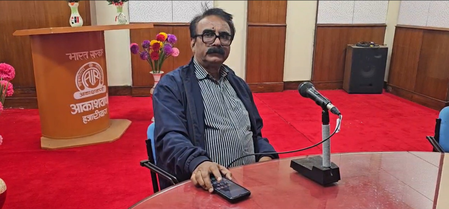
According to Alka Kumari and Prakash Rana, associated with All India Radio Hazaribagh, radio remains highly accessible and emotionally connected to listeners. Rana, who contributes to the ‘Kisan Vani’ programme, notes that radio continues to serve diverse groups including farmers, students, traders, and armed forces personnel by delivering timely and relevant information.
Senior announcer Rajiv Kumar from Akashvani Hazaribagh highlights that before the emergence of the internet, radio played a vital role in bridging geographical distances in a vast country like India. He adds that ‘Mann Ki Baat’ has once again brought communities together, with people gathering in groups and village panchayats to listen to the Prime Minister’s address.
The global significance of radio has also been widely acknowledged. UNESCO declared February 13 as World Radio Day in 2011, a move later endorsed by the United Nations General Assembly in 2012. The date marks the launch of United Nations Radio on February 13, 1946.
While technology and times have evolved, the essence of radio remains unchanged. Its voice continues to be personal, engaging, and influential — proving that even in the digital age, radio remains a trusted and popular medium across all sections of society.
With inputs from IANS