
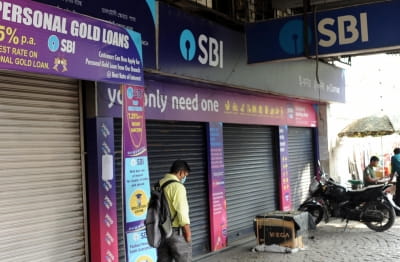
Kolkata- Banking operations across India are likely to be disrupted in September after the United Forum of Bank Unions (UFBU), an umbrella organisation representing nine bank employees’ and officers’ associations, announced nationwide strike action in two phases.
The first strike will be observed on September 11, followed by a three-day strike from September 28 to 30. The unions have also warned that they could begin an indefinite strike from October 26 if their demands remain unresolved.
The impact is expected to be particularly significant towards the end of September. Bank branches will already remain closed on September 26, the fourth Saturday, and September 27, Sunday. With the three-day strike starting on September 28, branch operations could remain disrupted for five consecutive days.
A similar disruption is likely around September 11. The one-day strike will be followed by the weekend holidays on September 12 and 13, potentially affecting branch-based banking services for three days in a row.
The main demand of the UFBU is the introduction of a five-day working week in the banking sector. If implemented, bank employees would have Saturdays and Sundays as weekly holidays. At present, bank branches are generally closed on Sundays and the second and fourth Saturdays.
The unions are also demanding the withdrawal of the performance-linked incentive (PLI) system, which they have described as discriminatory and inconsistent with the understanding reached between employees’ unions and the Indian Banks’ Association (IBA).
Other issues raised by the UFBU include pending matters related to wage revision, improvement and updating of pension benefits, and a uniform dearness allowance formula for all pensioners. The unions have said several of their demands remain unresolved.
The decision to launch the protests was taken unanimously at an UFBU meeting on Sunday. The unions said the proposed action is aimed at putting pressure on the authorities and the banking industry to address the pending issues.
For customers, the biggest concern will be access to branch-based services such as cash deposits and withdrawals, cheque-related work, account services and other transactions that require visiting a branch. Customers with important banking work in late September may therefore need to plan their transactions in advance.
Digital banking platforms, UPI, internet banking and ATMs are generally expected to continue functioning during strike periods, but their availability could depend on individual banks, technical systems and cash availability at ATMs. Customers should therefore not assume that all banking services will remain fully operational during the strike days.
The proposed action comes at a time when the banking sector is increasingly relying on digital channels, while employees’ unions continue to press for changes in working conditions and long-pending service-related demands.
With inputs from IANS