
New Delhi — India is increasingly combining traditional conservation practices with cutting-edge technology to safeguard its rich heritage, according to a recent government fact-sheet.
The Archaeological Survey of India (ASI) currently protects 3,686 centrally maintained monuments across the country. These efforts are now being reinforced with scientific restoration techniques and modern tools such as Artificial Intelligence (AI), improving both preservation quality and efficiency.
India’s global cultural standing has also grown, with 44 sites listed under the UNESCO World Heritage list. The latest addition, the Maratha Military Landscapes, reflects the country’s expanding recognition on the global stage.
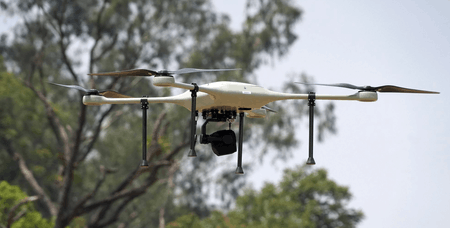
A major shift has been the large-scale digitisation of heritage assets and the creation of national databases. These initiatives enable better documentation, monitoring, and long-term conservation planning. Technologies like LiDAR scanning, GIS-based mapping, drone surveys, 3D laser scanning, and photogrammetry are now being deployed wherever required to accurately record and assess monuments.
Scientific laboratory methods are also playing a growing role. Experts study material composition, environmental impact, and patterns of deterioration to determine the most suitable conservation treatments, making preservation more precise and sustainable.
Artificial Intelligence is emerging as a key enabler in this ecosystem. It is being used to organise vast collections of cultural data, including manuscripts and traditional knowledge systems, and to improve accessibility through digital platforms and language tools.
Collaborations with institutions such as the National Institute of Science Education and Research (NISER) have further strengthened these efforts, particularly in drone-based surveys and scientific analysis.
Overall, India’s approach reflects a balanced model—where time-tested conservation methods are enhanced by advanced technologies—helping preserve its cultural legacy while presenting it with renewed confidence on the global stage.
With inputs from IANS