
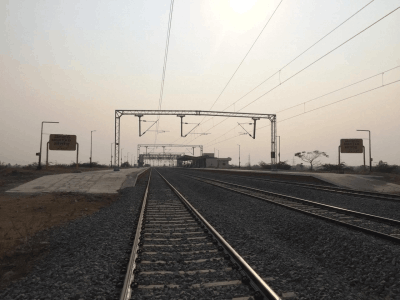
New Delhi — Indian security agencies have uncovered a concerning plot involving Pakistan’s intelligence agency, Inter-Services Intelligence, which is allegedly working to orchestrate attacks on railway stations across India using small, hard-to-detect “micro modules.”
According to officials, these modules typically consist of just four to five individuals, making them far less visible compared to larger terror networks. This approach mirrors earlier tactics used by the Indian Mujahideen under Yasin Bhatkal, where smaller groups with limited communication proved more difficult for agencies to track.
Authorities believe the objective behind this strategy is to disrupt the country’s railway system—one of India’s most vital lifelines—and create widespread fear among the public. With the rapid expansion and modernization of Indian Railways, including high-speed upgrades and the introduction of Vande Bharat Express trains, the network has become an even more symbolic and strategic target.
Investigations have revealed that these modules were instructed to carry out reconnaissance in innovative ways, including installing CCTV cameras at railway stations to monitor movement and logistics in real time. A recent case uncovered by Ghaziabad police highlighted how such surveillance methods were being used to plan potential attacks.
Security officials warn that instead of a single large-scale strike, the plan appears to involve multiple smaller attacks across different locations. This tactic reduces the chances of detection while still achieving widespread disruption and panic.
In a recent crackdown, the Uttar Pradesh Anti-Terrorist Squad (ATS) arrested four suspects in Lucknow who were allegedly planning attacks on railway infrastructure, including signal boxes—critical systems that manage train operations and ensure passenger safety. Crowded railway stations were also among their intended targets.
Authorities say that while the threat spans across the country, initial focus areas appear to be in North India, particularly Uttar Pradesh, due to high passenger traffic. The timing of the alleged plans is also significant, with indications that attacks were being considered around the anniversary of the Pahalgam attack on April 22.
Officials also pointed to past incidents, such as the 2006 Mumbai train bombings, as a reminder of the devastating impact such attacks can have.
Security agencies remain on high alert, emphasizing that preventing such decentralized threats requires heightened vigilance, intelligence coordination, and public awareness.
With inputs from IANS